
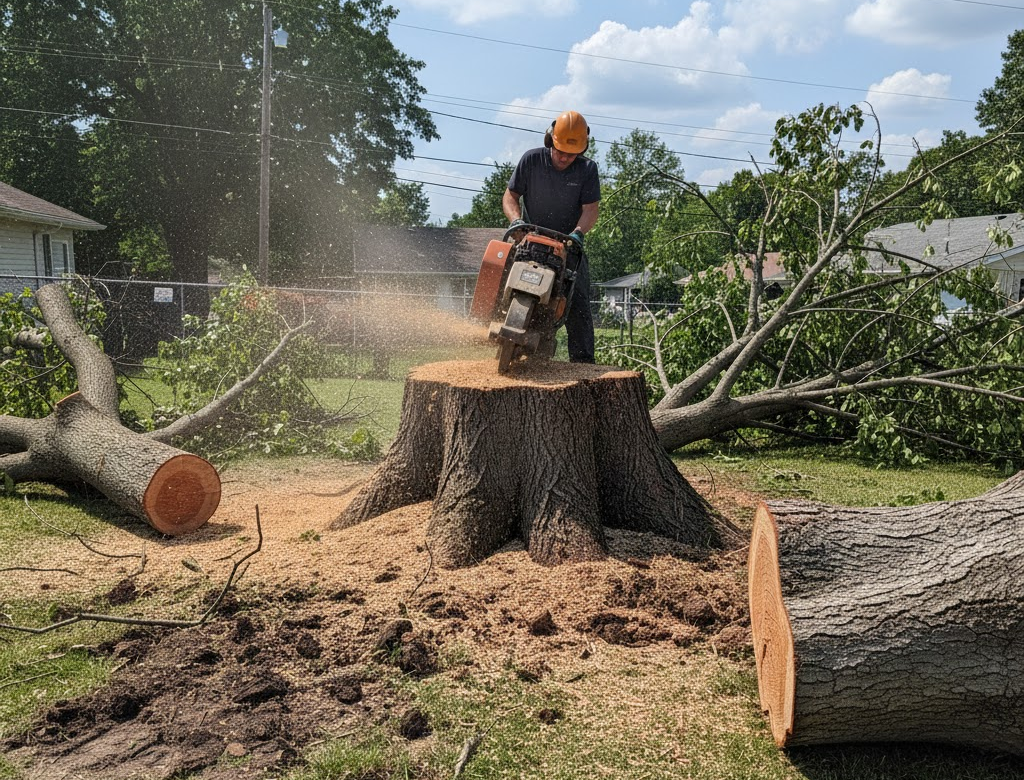
When it comes to maintaining your landscape, tree and stump removal can often be a daunting task. However, knowing when it becomes necessary is crucial for both safety and aesthetic reasons. In this article, we’ll explore the signs that indicate it’s time to take action and restore your outdoor space.
Understanding the Risks of Overgrown Trees
While trees that are healthy can beautify your surroundings, overgrown or damaged trees can pose considerable risks. For instance, branches that extend too close to your home can cause damage during storms or high winds. If you notice significant overgrowth or dead branches, it is crucial to evaluate the tree’s health.
Health Issues Affecting Trees
Diseases, pests, and environmental stress can severely compromise a tree’s health. In cases where the damage is extensive, maintaining the tree is not a viable option. Leaving a diseased tree can lead to the spread of harmful organisms to healthy nearby trees. In these situations, removal becomes a proactive measure to safeguard your landscape.
Signs that Indicate Tree Removal is Necessary
Knowing when to act can be tricky. However, several signs make it clear that tree removal is on the horizon. A few critical indicators include:
1. Dead or Dying Trees
If you observe that a tree has dead branches, a thinning canopy, or an absence of foliage, it may be time to consider removal. A healthy tree should display vibrant leaves and robust growth, whereas a tree in decline occasionally becomes a hazard.
2. Pest Infestations
Pests such as borers and bark beetles can wreak havoc on the structural integrity of a tree. If you notice holes in the bark or woodpecker activity, it might indicate the presence of a pest problem. These nuisances can weaken the tree over time, leading to its eventual collapse.
3. Structural Damage
Twisted trunks, leaning trees, and cracked branches are often symptomatic of structural problems that threaten the tree’s stability. If you spot these issues, especially in larger trees, it typically signifies that the tree could fall, necessitating professional removal.
The Importance of Stump Removal
Once a tree is cut down, the remaining stump can become an eyesore as well as a hazard. Stumps can present several challenges:
1. Safety Hazards
Exposed stumps can be a tripping hazard, especially for children or pets. Moreover, the stump may start to decay, attracting insects such as termites and ants, which may then spread to your home.
2. Aesthetic Concerns
From a landscaping perspective, stumps are unsightly and can disrupt the harmony of your outdoor space. Removing them is crucial if you plan to redesign your garden or yard, as it opens up the soil for new planting.
Professional Tree and Stump Removal Services
While DIY removal may seem appealing, it often comes with its own set of risks. Engaging professional services can ensure that the job is done safely and efficiently. Experts come equipped with the right tools, knowledge, and experience needed to tackle even the most challenging removals.
1. Safety First
Tree removal can be dangerous, particularly if the tree is large or situated near structures. Professionals follow industry safety standards, using specialized gear to mitigate risks during the job.
2. Environmental Considerations
Professional arborists are adept at identifying which trees to remove while preserving those that add value to your landscape. Working with trained experts can also aid in ensuring that the environment stays healthy.
When dealing with tree and stump removal, it’s essential to recognize the signs that intervention is necessary for the safety and health of your property. For expert assistance, don’t hesitate to contact a professional arborist who can assess your situation and provide tailored solutions.