
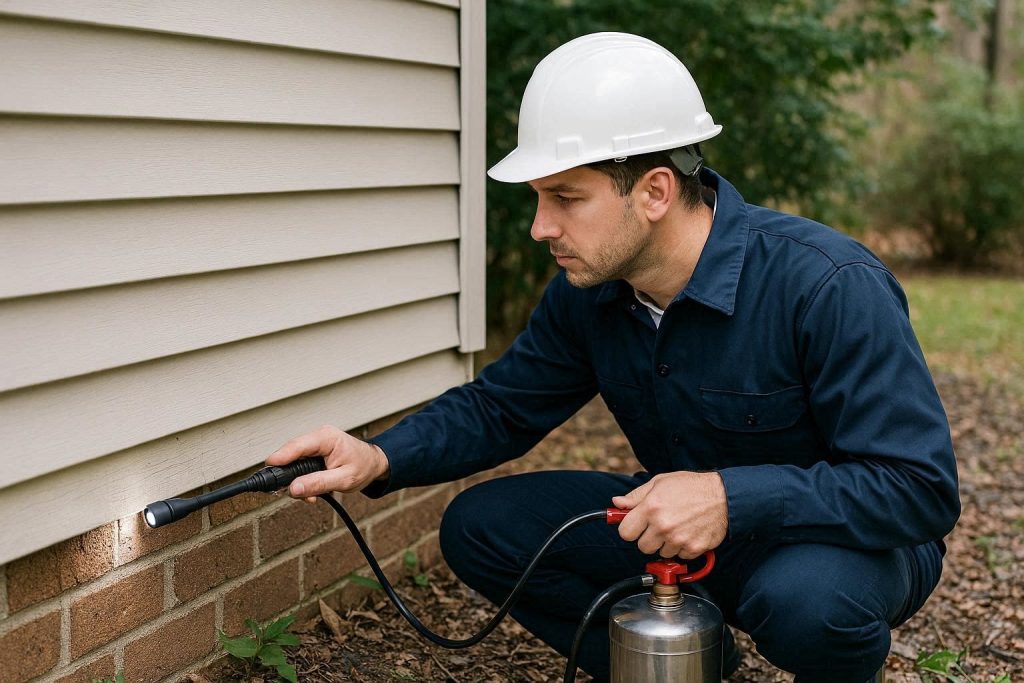
When faced with a pest problem, many homeowners instinctively reach for DIY solutions, believing they can save time and money. However, these quick fixes often fall short, addressing only the surface issues rather than the root causes of infestations. In this article, we delve into the reasons why DIY pest control methods frequently fail and why professional assistance may be the more effective choice.
Identifying the Root Cause of Infestations
One of the primary challenges of DIY pest control lies in the inability to correctly identify pests. Not all pests are created equal, and methods that work for one type of insect may prove ineffective for another. For example, techniques suitable for tackling ants might not have the slightest effect on a termite invasion. Misidentification can lead to wasted time and resources, as homeowners apply the wrong treatments at inappropriate times.
Professional pest control technicians possess the expertise to accurately diagnose pest problems. Their training enables them to recognize the signs of various infestations and distinguish between species that may appear similar but necessitate different approaches. This precision is crucial, as ignoring the underlying issue can exacerbate the problem, potentially leading to severe structural damage.
The Hazards of Chemical Misuse
Another common pitfall of DIY pest control is the inadequate use of pesticides. Many store-bought products come with hazardous chemicals that can pose significant risks if handled incorrectly. The average homeowner may not fully understand the correct application techniques or safety precautions involved, increasing the potential for dangerous exposure.
Additionally, the belief that applying more product will yield better results can backfire. Overapplication can harm not only the environment but also the health of family members and pets. Professional pest control companies prioritize safety, employing trained technicians who know how to utilize chemicals effectively, minimizing health risks while tackling infestations.
Temporary Fixes Instead of Lasting Results
It is common for DIY methods to yield only temporary solutions. Homeowners may successfully eliminate a few visible pests, such as roaches or spiders, but fail to address the root cause of the infestation. Many pest species live in hidden nests or inaccessible areas, rendering conventional sprays and traps helpless in eradicating them completely.
In contrast, professionals utilize a comprehensive approach that considers the entire lifecycle of pests. They target not only the visible insects but also their eggs and breeding grounds. Advanced tools and effective techniques used by pest control experts ensure that every aspect of the infestation is managed, leading to long-lasting results.
Understanding the Severity of Infestations
Pest issues can often appear less daunting than they truly are. A few droppings or lingering ones may represent much more extensive problems lurking behind walls or under floors. Without the proper tools or expertise, homeowners might treat symptoms while neglecting the actual extent of the infestation.
Pest control professionals provide thorough inspections that go beyond mere surface observations. They can identify hidden nests and entry points that are easily overlooked, enabling them to create a tailored treatment plan that effectively addresses the entire problem.
Avoiding Treatment Delays with Quick Action
Many homeowners experience delays due to the trial-and-error nature of DIY pest control. Experimenting with various products can prolong the time before they see visible results, allowing pest populations to grow unchecked. In some cases, this lag can exacerbate the infestation, leading to even greater complications down the road.
Statistics show that a significant majority of homeowners believe hiring a pest professional saves them time. Instead of feeling overwhelmed by a growing pest problem, professional services can efficiently resolve the issue, allowing homeowners to regain control of their living spaces.
The Importance of Prevention in Pest Control
Another crucial aspect often neglected by DIY enthusiasts is prevention. While treating an existing problem may provide temporary relief, failing to take subsequent preventive measures can lead to recurring infestations. Simple strategies like sealing gaps, addressing moisture concerns, and eliminating food sources are vital in keeping pests at bay.
Professional pest control services think ahead by incorporating prevention into their treatment plans. After addressing the immediate infestation, they offer expert advice on how to deter future problems. Through a combination of structural recommendations and regular monitoring, professionals pave the way for a pest-free environment.
Mitigating Safety Risks in Pest Control
Pest control treatments, if misused, can pose serious risks to people, pets, and property. Dangerous scenarios can arise from improperly placed traps, pesticide applications near food areas, or combinations that create hazardous conditions. Such risks can often feel daunting for homeowners inexperienced in pest control.
Reputable pest control companies prioritize safety throughout their processes. They choose appropriate products and application methods tailored to specific environments. Many also offer eco-friendly options, providing homeowners with the reassurance that their treatments will yield effective results without compromising safety.
In conclusion, while DIY pest control options may appeal to some, they often fall short of the expectations for effective, reliable solutions. By recognizing the limitations of these methods and understanding the benefits of professional pest control services, homeowners can make informed decisions that ultimately protect their homes and health.