
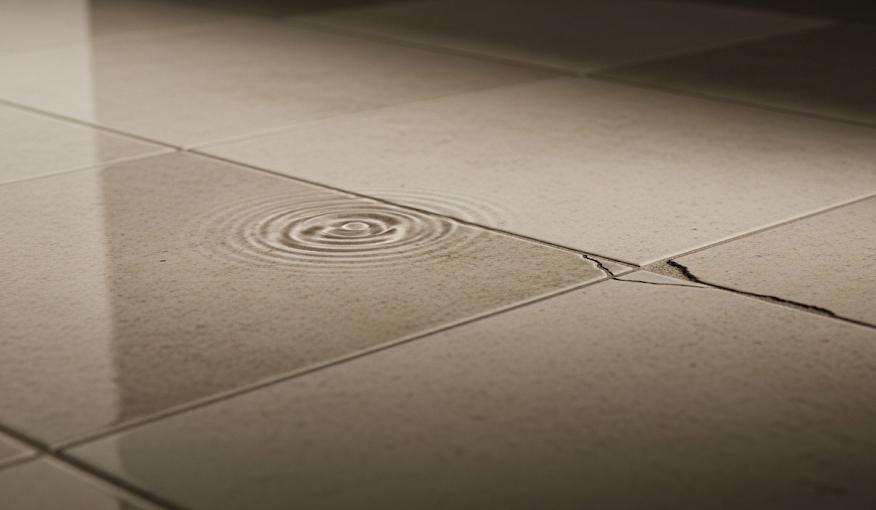
Household leaks can be a lurking menace in any home, quietly draining both your pocket and your sanity. From leaky faucets to ceiling leaks, these issues can lead to significant damage if not addressed promptly. In this article, we’ll dive deep into some of the most common types of leaks you may encounter and explore how to effectively manage them.
Identifying Common Plumbing Problems
Leaking Pipes
One of the most prevalent issues homeowners face is leaking pipes. These leaks often happen at joints due to faulty workmanship or simply wear and tear over time. If left unattended, what starts as a minor leak can evolve into substantial problems, potentially leading to water damage and mold growth.
Clogged Sinks
A clogged sink can be particularly frustrating. While many obstructions can be managed as DIY projects, others require professional attention, especially if a serious blockage leads to overflow. Signs of a clogged sink are slow drainage and pooling water, both of which indicate that immediate action is needed.
Leaky Faucets
A dripping faucet shouldn’t be ignored. Not only can it inflate your water bill, but if the problem escalates, it can cause significant damage within your household. These leaks generally arise from corrosion or worn-out washers. A quick fix can save you from a long-term issue and restore peace to your home.
The Causes and Solutions of Leaks
Ceiling Leaks
Ceiling leaks manifest as water spots on your ceiling or dripping water. Often originating from upper floors due to wear and tear or broken seals, ceiling leaks can escalate into serious problems, especially in older buildings. Residents in Singapore should be aware that addressing these leaks may involve shared responsibility between upper and lower floor owners as per housing regulations.
Repairing Ceiling Leaks
Engaging a professional plumber for ceiling leak repairs is highly advisable. Solutions can vary from ‘flood infusion methods’ to the more traditional chemical grout injection. If you’re experiencing persistent issues, seeking expert advice can save time and money in the long run.
Pipe Leaks
Older pipes, particularly those made from copper, are susceptible to rust and can burst under pressure. If you notice wet spots or water pooling within cupboards or behind walls, it’s essential to act quickly. A delayed response can complicate repairs and lead to costly damage.
Types of Pipe Leak Repairs
- Relining – This method reinforces existing pipes without the need for complete replacement.
- Repiping – Sometimes, complete replacement of the pipes is necessary for long-term peace of mind.
- External Pipe Repair – Involves adding durable materials to fix existing leaks.
Addressing Toilet Leaks
Identifying Toilet Leak Types
Toilet leaks are quite common and typically occur in three areas: the tank, the bowl, and the base. Each type has its own set of problems and solutions.
Tank Leaks
Leaks from the toilet tank usually arise from worn-out rubber gaskets or faulty components. Replacing these parts can often rectify the issue without the need for a full system overhaul.
Bowl Leaks
Water spilling into the toilet bowl may be due to a malfunctioning water fill valve or an improperly seated flapper. Adjusting or replacing these components can solve the problem efficiently.
Base Leaks
A leaking base can lead to significant water damage and may require more intensive work, including replacing the wax seal or even the entire toilet. The sooner the issue is dealt with, the better.
Fixing Faucet Leaks
Common Causes of Faucet Leaks
Faucets are notorious for developing leaks. Common culprits include worn-out washers, corroded valve seats, or improperly installed components. Even a slight drip can lead to substantial water waste over time.
Repairing Faucet Leaks
Fixing a leaky faucet often entails simple actions, such as tightening the packing nut or replacing the washer. With the right tools and instructions, you can tackle these repairs effectively. Here’s a helpful guide on fixing a leaky faucet.
Leak Detection and Emergency Plumbing Services
Regular leak checks are crucial for maintaining your home’s plumbing system. If you discover signs of leakage but cannot locate the source, it’s time to consult a professional plumber. In urgent situations, an emergency plumber can provide immediate assistance, ensuring that your home returns to a safe and functioning state.
In summary, understanding the common types of leaks and their potential fixes can save you both time and money. When in doubt, don’t hesitate to consult a plumbing expert to ensure your home remains leak-free and in good condition.