
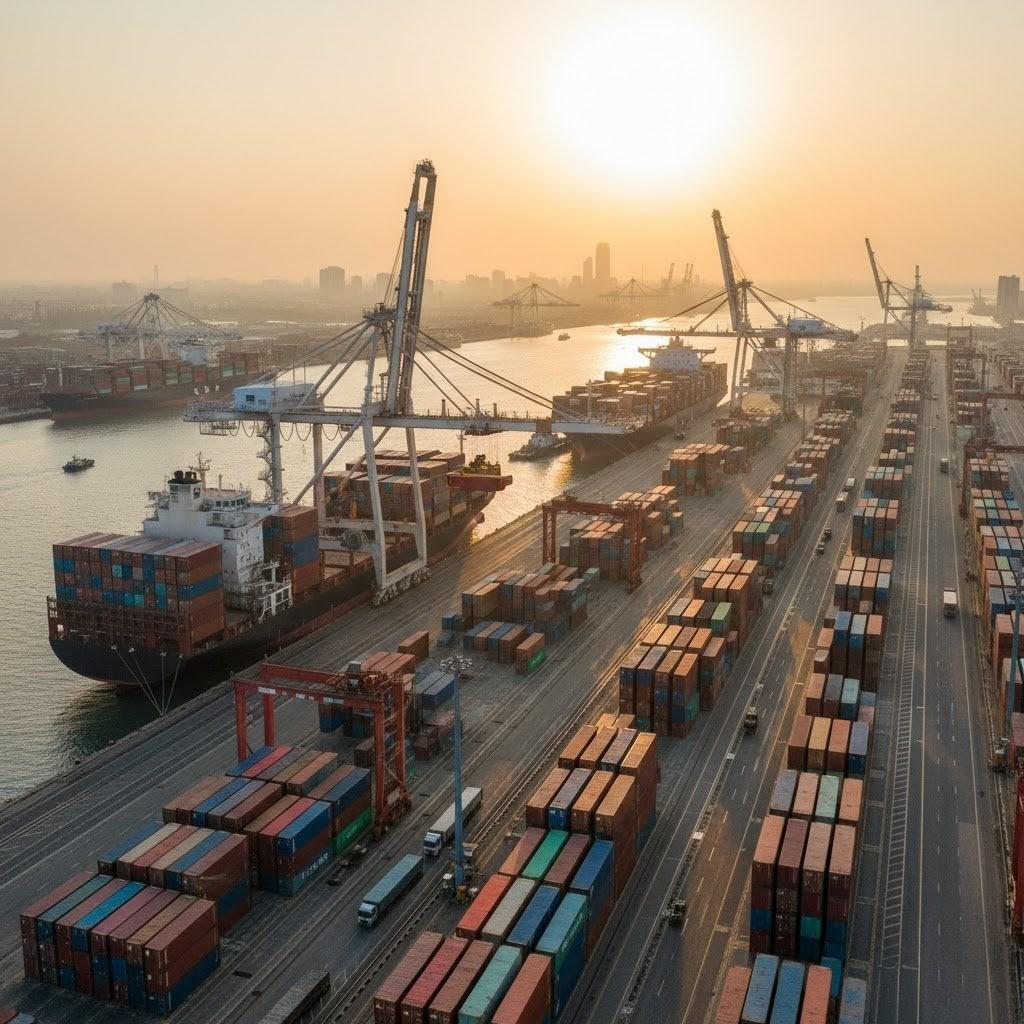
Shipping goods to Latin America has become increasingly complex due to various factors impacting maritime trade. Climate disruptions, changing geopolitical dynamics, and infrastructural shortcomings present significant challenges for businesses looking to navigate this vital region. In this article, we will explore the key hurdles faced in this evolving shipping landscape.
Introduction to Maritime Transport in Latin America
The maritime transport sector is a crucial component of global trade, particularly for Latin America. However, shipping goods to this vibrant region comes with a unique set of challenges that can significantly impact businesses and the overall economy.
Climate Disruptions and Their Impact on Shipping
One of the most pressing issues currently faced by the maritime industry is the effect of climate disruptions. Recent events, such as the severe drought in the Panama Canal during 2023 and early 2024, illustrate the vulnerability of critical trade routes. The reduction in water levels forced vessels to navigate longer and more costly paths, resulting in a staggering 31% increase in sailing distances. Such changes not only elevate shipping costs but also lead to a decline in overall cargo volumes, raising serious questions about the region’s climate resilience.
Challenges with the Panama Canal
The Panama Canal serves as a vital artery for trade between the Americas and Asia. However, the impact of climate change on this route has been significant, reducing transits by about 20% compared to the previous year. This highlights an urgent need for climate-resilient port infrastructure to safeguard the future of maritime transport in the region.
Fluctuations in Freight Rates: An Ongoing Headache
The shipping industry is often plagued by freight rate fluctuations. As observed in 2023, rates on routes from Europe to South America plummeted by 36%, while routes from Africa to the same destination spiked by 20%. These volatile shifts can be attributed to geopolitical crises, such as altering grain supply chains from Ukraine to South America and the United States.
The Challenges for Small Island Developing States (SIDS)
For Small Island Developing States (SIDS), the situation is even more complicated, as they have endured a 9% decline in maritime connectivity over the past decade. This drop translates into higher costs and diminished competitiveness in the global market. Ports like Trinidad and Tobago act as critical hubs, yet many smaller port facilities continue to grapple with inefficiencies that further inflate operating expenses.
Operational Challenges Facing Caribbean Ports
Within the Caribbean, operational challenges are mounting. Port handling charges often soar to levels that are two to three times higher than those in comparable ports around the world. Such costs are aggravated by inefficient processes, poor management, and the persistent shortage of adequate infrastructure. Moreover, the competition between cruise ships and cargo vessels only exacerbates these challenges, limiting the efficiency of trade operations.
The Economic Consequences of Inefficiencies
For the economies of SIDS, which heavily rely on maritime transport, these inefficiencies translate into significant developmental hurdles. The imbalance in trade flows, characterized by fully loaded inbound vessels departing ports emptily, inflates costs while eroding the viability of maritime services. If left unaddressed, these connectivity gaps will compound regional trade inequalities.
Urgent Reforms and Solutions for the Maritime Sector
During the UNCTAD Global Supply Chain Forum held in May 2024 in Barbados, various stakeholders convened to discuss the maritime connectivity crisis facing the region. Inefficiencies within customs processes, a lack of essential infrastructure, and insufficient competition emerged as critical issues that need addressing. The recommendations put forth emphasized the importance of consolidating cargo volumes, enhancing collaboration among shippers, and improving port infrastructure through private investment.
The Need for Climate Adaptation
The forum also highlighted the necessity for climate adaptation and resilience-building initiatives, particularly for ports vulnerable to extreme weather events. Increased financing and capacity-building efforts are critical to safeguard the maritime sector’s future, enabling it to withstand the growing threats posed by climate change.
The challenges in shipping goods to Latin America are multifaceted, encompassing climate disruptions, operational inefficiencies, and fluctuating freight rates. As experts recommend proactive measures to enhance port infrastructure and logistics, it becomes crucial for stakeholders to adapt and innovate to ensure sustainable trade practices in the region.