In the world of dining, furniture design plays a pivotal role in shaping guests’ experiences. The right balance between comfort and aesthetic appeal not only enhances the atmosphere but also encourages patrons to return. Let’s explore how thoughtful restaurant furniture can elevate any dining space into a memorable destination.
The Importance of Comfort in Restaurant Furniture
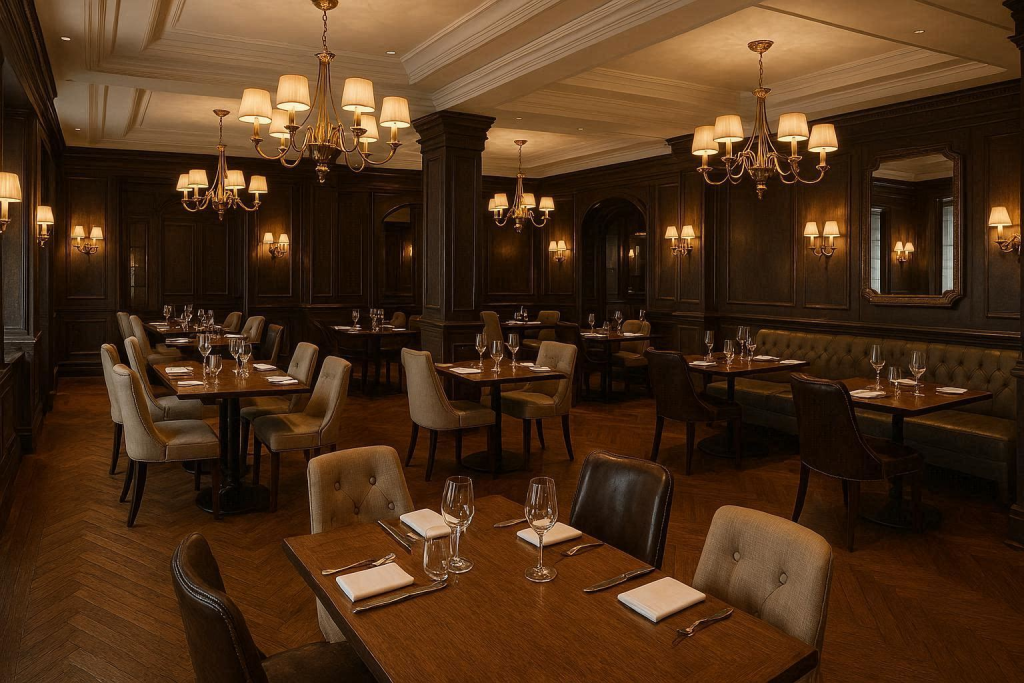
When it comes to dining experiences, comfort can make or break a guest’s impression. A well-designed seating arrangement ensures that guests aren’t just eating; they are indulging in an experience. Consider the layout carefully—providing a mix of table sizes promotes versatility. Think two-tops that can easily be combined for larger parties, cozy booths that encourage intimacy, and flexible banquette arrangements accommodating various group sizes.
Furniture Durability and Functionality
Additionally, durability is vital. Choosing commercial-grade materials ensures that furniture withstands the rigors of daily use while maintaining its aesthetic appeal. Ergonomically designed seating provides the necessary support, marrying comfort with practicality. The right height and design choices foster an inviting atmosphere, making it easier for guests to relax and enjoy their meals.
Creating an Aesthetic Appeal with Restaurant Furniture
A restaurant’s visual identity is profoundly shaped by its interior design, where furniture plays a pivotal role. The use of a coherent color palette and thoughtful textural contrasts can elevate the entire dining experience. Soft upholstery, reclaimed wood accents, or sleek metal finishes can all communicate a restaurant’s unique personality.
Utilizing Color Psychology
Color psychology is a powerful tool in creating a memorable atmosphere. Warmer colors like reds and oranges can stimulate appetites and foster vibrant conversations, while cooler shades can evoke a sense of calm and tranquility. By implementing these color strategies into furniture design, restaurants can indirectly influence dining behaviors and increase meal enjoyment.
Optimal Furniture Layout for Functionality and Flow
Beyond aesthetics, furniture layout directly impacts service efficiency and guest movement. The organization of dining areas allows for smooth traffic flow, reducing server steps and ensuring that patrons can navigate easily. A well-planned layout minimizes congestion during peak hours, with clear paths leading to essential areas such as restrooms and exits.
Seating Arrangement as a Design Strategy
A strategic seating arrangement can dramatically enhance a restaurant’s functional design. Ensure an adequate distance of 24–36 inches between tables to provide guests with enough personal space while maintaining a lively atmosphere. This careful spacing not only respects diners’ comfort but also facilitates efficient service delivery.
Custom Solutions for Unique Needs
Each restaurant has its own distinct character, which calls for tailored furniture solutions. Custom-made pieces allow operators to reflect their brand’s identity, whether that involves incorporating local artwork into the décor or designing booths that echo the establishment’s personality. This captivates the eye and ensures a cohesive dining experience from the moment guests enter.
Innovation in Restaurant Furniture Design
Innovative design features can also set a restaurant apart from the competition. For example, signature light fixtures, unique bar fronts, or themed murals can become hallmark attributes that diners associate with the brand. Consider how Red Rabbit North Loop enhanced its dining experience by integrating signature materials that mirrored its culinary offerings. Such thoughtful integration not only elevates aesthetics but fosters a sense of brand loyalty among guests.
Successful Examples of Restaurant Furniture Renovations
Many restaurant renovations have demonstrated measurable success through strategic furniture design. For instance, the layout overhaul at Williston Brewing Company improved both staff movement and customer flow, resulting in increased capacity and a better dining experience. Similarly, redesigning the interior of Grey Fox Coffee created a vibrant atmosphere that attracted repeat visits and social media engagement.
Real-World Impact of Thoughtful Design
By examining these case studies, it becomes evident that investing in restaurant furniture design can yield tangible benefits and foster a lasting connection between the diner and the restaurant. Designers can create environments where every detail matters, from the height of chairs to the arrangement of tables, ensuring that both guest comfort and aesthetic appeal intertwine to produce memorable dining experiences.
Ultimately, the art of restaurant furniture design lies in achieving a harmonious balance between comfort and aesthetics, ensuring that every guest feels welcomed and relaxed. By thoughtfully selecting furnishings that enhance the overall atmosphere, restaurateurs can create memorable dining experiences that keep customers coming back for more.