
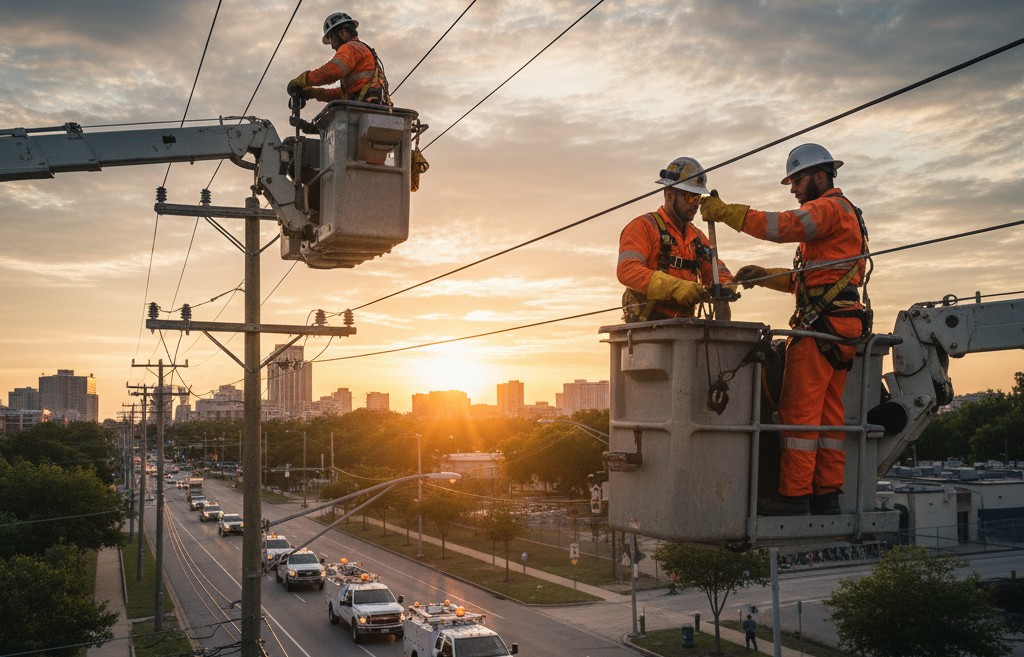
Overhead utility repairs are a critical aspect of maintaining essential services within communities. However, they also pose significant risks to workers. The nature of this type of work demands a keen awareness of safety practices to ensure not just compliance with regulations, but the protection of personnel involved in these activities. In this article, we delve into the most pressing safety concerns associated with overhead utility repairs while emphasizing best practices for risk mitigation.
Understanding the Risks Involved in Overhead Utility Repairs
Utility repair work, particularly when operating at heights, exposes workers to various hazards. The most noticeable are electrical hazards, which can result in severe injuries or fatalities. Workers interacting with power lines risk electric shock if adequate safety protocols are not followed. Given that electrical incidents are one of the leading causes of workplace accidents in this field, it is essential to prioritize electrical safety.
Electrical Hazards: A Significant Concern
Workers who handle power lines or electrical equipment must be cautious to avoid direct contact with live wires. Protective measures such as utilizing insulated tools and wearing appropriate personal protective equipment (PPE) can significantly decrease these risks. It’s imperative to provide comprehensive training on recognizing and responding to electrical hazards, as these incidents can occur unexpectedly.
The Danger of Falls from Heights
Another principal safety concern during overhead utility repairs is the risk of falls. When utility workers operate from poles, towers, or ladders, they face a greater likelihood of falling if proper precautions aren’t taken. Falls can lead to serious injuries or fatalities; thus, effective fall protection systems are a necessity.
Fall Protection Systems and Best Practices
Employers should equip their workers with fall protection gear, including safety harnesses and secure ladders. It is equally important to adhere to established safety procedures designed to mitigate this risk. For instance, ensuring that work surfaces are clear of debris and that Personal Fall Arrest Systems (PFAS) are regularly inspected can prevent many fall-related incidents.
Challenges of Working in Confined Spaces
During overhead and underground repairs, workers often face the added challenge of confined spaces. Entering areas with limited ventilation can expose employees to harmful gases and other health hazards. Proper planning and safety measures are vital to address these threats.
Implementing Health and Safety Measures in Confined Spaces
To ensure safety in confined spaces, organizations should establish protocols that include air monitoring and stipulating entry and exit procedures. Additionally, a rescue plan should always be in place for emergencies. Regular training sessions on confined space safety can equip workers with the knowledge and skills needed to manage these potentially perilous environments.
Struck-by Incidents: An Ongoing Risk
Struck-by incidents remain a pervasive hazard amidst overhead utility repairs, where workers can be at risk from moving vehicles, falling tools, or other objects. Such accidents often occur in busy job sites requiring constant vigilance.
Prevention Strategies for Struck-by Incidents
To mitigate the risk of being struck by objects, utility companies should designate and clearly mark work zones. Implementing visibility measures, such as high-visibility clothing, is equally crucial. Regular safety briefings that stress the significance of situational awareness can also empower workers to protect themselves and their colleagues.
Weather-Related Hazards and Their Impact
Utility workers are frequently exposed to extreme weather conditions. Whether it’s freezing temperatures, intense heat, or stormy weather, the environment can create additional challenges that can compromise safety.
Preparing for Weather-Related Risks
Employers can help minimize weather-related hazards by providing proper gear, such as thermal clothing for cold weather and hydration solutions for hot days. Adjusting work schedules to account for bad weather can also play a significant role in safeguarding workers against the elements.
The Role of Technology in Enhancing Safety
As technology advances, so too does the potential for enhancing safety in overhead utility repairs. Various tools and devices are being developed to assist in risk management and improve communication among crews.
Modern Tools for Safety Improvement
Digital checklists streamline safety inspections, while automated reporting systems enhance transparency and facilitate compliance tracking. Additionally, wearable technologies can monitor vital signs and detect potential hazards, further increased the safety net around utility workers. Utilizing these innovative solutions can lead to a marked improvement in safety standards across the board.
Ensuring the safety of utility workers during overhead repairs requires dedication and proper training to mitigate the numerous risks involved. By adhering to best practices and utilizing the latest safety technologies, organizations can foster a safer working environment for these essential experts. Always consult with industry professionals to stay updated on safety protocols and equipment.