
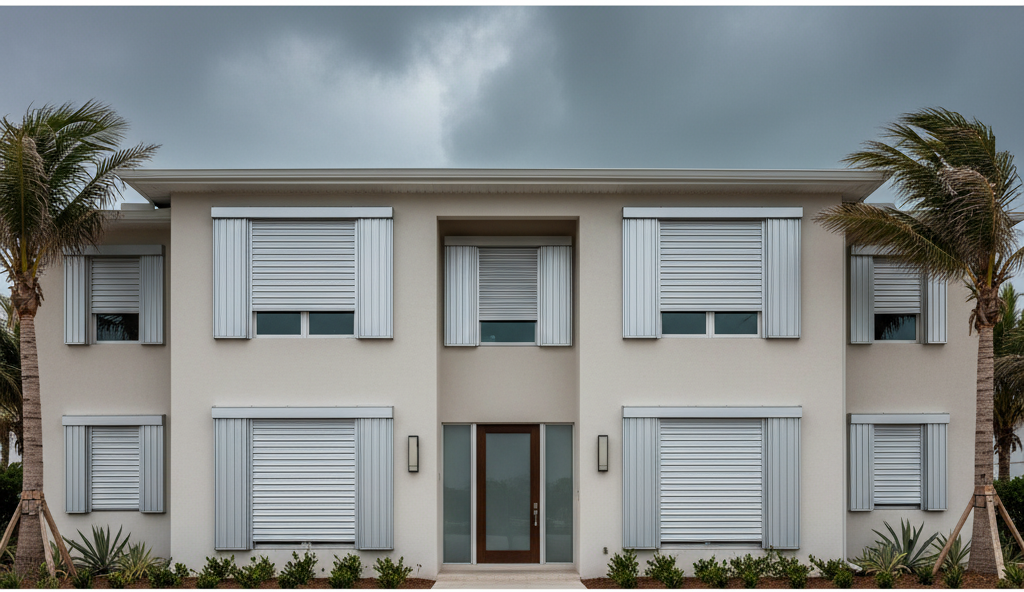
When severe weather strikes, the right hurricane shutters can make all the difference in protecting your home and loved ones. With numerous options available, finding the perfect fit for your property can feel overwhelming. This guide will help you navigate the various types of hurricane shutters, ensuring you make an informed choice for safety and peace of mind.
Understanding Different Types of Hurricane Shutters
When it comes to hurricane shutters, one size doesn’t fit all. Let’s explore various types designed for efficacy, durability, and style.
Plywood Shutters
Among the most basic forms of storm protection, plywood shutters are affordable solutions that can be a temporary fix for homeowners. When correctly installed, sheets at least 5/8-inch thick can offer decent protection against flying debris. However, plywood can be cumbersome to handle, often requiring two people for installation, especially on upper levels. Pre-cutting your plywood panels before the storm season can save valuable time when the skies darken. Yet, it’s important to check whether these shutters align with local building codes since regulations may vary.
Metal Storm Panels
Metal storm panels, typically made from corrugated aluminum or steel, provide a solid yet lightweight option for hurricane protection. Their design allows for easy installation on permanent tracks or through bolting methods, offering a reliable defense against heavy storms. These panels tend to overlap, enhancing their strength and resilience. While they do require storage space when not in use and can block natural light, their affordability and reusability make them a favorable choice for many homeowners.
Plastic Storm Panels
For those looking to combine aesthetics with functionality, plastic storm panels are exceptional options. Made from materials such as polycarbonate (Lexan) or polypropylene, these panels are incredibly lightweight yet strong enough to meet high impact standards. Available in clear, translucent, and opaque styles, they provide flexibility based on visibility preferences. Although more expensive than plywood or metal alternatives, their durability and low maintenance appeal make them a worthwhile investment.
Fabric Storm Panels
Innovatively designed, fabric storm panels, or wind abatement screens, offer a unique twist on traditional shutters. Constructed from robust woven fabric coated with materials like PVC or Kevlar, these panels are lightweight and easy to handle, making timely installation effortless. Their custom-fit nature may limit versatility, but their ability to be rolled up for easy storage adds to their practicality. As a relatively new entrant in the storm protection market, their visibility among homeowners continues to grow.
Pros and Cons of Each Shutter Type
While all types of hurricane shutters boast protective features, each one comes with its own set of advantages and disadvantages that homeowners must consider.
- Plywood: Cheap and accessible but requires significant physical effort to maneuver and may not comply with local codes.
- Metal Panels: Strong and easy to install; however, they block light and require adequate storage space.
- Plastic Panels: Lightweight and visually appealing but may entail higher costs and necessitate additional help during installation.
- Fabric Panels: Convenient and easy to store, but customization can pose challenges if moving to a new home.
Permanent vs. Temporary Solutions: What Suits Your Home?
Not all homeowners prefer a temporary method of protection. Permanent hurricane shutters offer a blend of functionality and home value enhancement. They not only ensure robust protection but also contribute to a home’s aesthetic appeal.
Accordion Shutters
Accordion shutters are a popular permanent solution that folds neatly beside windows or doors when not in use. Made from durable materials like aluminum, they provide quick, easy deployment, making them ideal for last-minute preparations.
Roll-Down Shutters
Another excellent permanent option, roll-down shutters, can be operated manually or motorized for convenience. Rolling down from a housing unit, these shutters provide robust protection while doubling as privacy shields when needed.
Bahama and Colonial Shutters
Bahama shutters hinge at the top and provide shade while remaining functional during storms. Conversely, colonial shutters attach beside the windows, offering moderate protection with a classic design. Both styles lend charm to coastal homes but vary in terms of protective capability.
Choosing the Right Hurricane Shutters for Your Situation
To make the best decision regarding hurricane shutters, consider multiple factors:
- Local Building Codes: Assess regulations that could dictate shutter compliance.
- Budget: Determine how much you are willing to invest in protection.
- Protection Level: Understand your risk based on your geographical location.
- Installation and Operation: Evaluate the practicality of quickly deploying your shutters.
- Visual Appeal: Ensure the shutters complement your home’s style.
Consulting with a local hurricane shutter professional could significantly help in identifying the best options tailored to your needs. Their insights can align your choices with local codes and environmental challenges.
For more detailed insights on selecting hurricane shutters, visit this resource or explore this link to deepen your understanding of effective home protection.