When the temperature rises, a reliable air conditioning system becomes an essential comfort in our homes. However, the cost of air conditioning installation can vary widely based on several factors. Understanding these factors will help you make informed decisions, ensuring you not only get the most suitable AC system but also the best value for your investment.
Understanding the Average Costs of AC Installation
On average, homeowners can expect to spend around $8,850 when installing a central air conditioning unit. However, these costs can fluctuate significantly depending on the type of system and individual needs. For instance, the average cost for a split AC system falls around $6,000, with high-end systems costing up to $24,150. On the lower end, a DIY window unit may set you back only around $300.
Key Factors That Affect Installation Costs
Size of the AC Unit
The first factor to consider is the size of the AC unit you require. Larger homes often need more powerful systems to adequately cool the space. Air conditioning systems are typically measured in tons, with 1 ton equating to the removal of 12,000 British Thermal Units (BTUs) of heat from the air per hour. A useful rule of thumb is to allocate 1 ton for every 500 to 600 square feet of your home. If this seems overwhelming, consult with a licensed HVAC contractor who can accurately assess your cooling needs.
Type of System
Different types of AC systems cater to various setups and budgets. While higher-priced units may generally offer improved efficiency and durability, this isn’t a hard and fast rule. Factors like your home layout and specific needs should guide your choice. Talking to your HVAC specialist can help you pinpoint the most suitable system for your circumstances.
Pre-Installation Home Assessment
Before installation can begin, it’s essential to conduct a thorough pre-installation home assessment. This typically involves an HVAC professional evaluating your home’s insulation and ductwork, determining the optimal size for your system. While assessments may cost between $375 to $3,000, this investment can save you significant expenses down the line.
Brand Selection
The brand of the air conditioning unit plays a crucial role in determining installation costs. Numerous manufacturers offer a range of systems, each with varying price points and availability. To make a wise choice, it’s advisable to consult your trusted HVAC expert about which brands are both accessible and reliable in your region.
Efficiency Rating
Another vital factor to consider is the energy efficiency of the unit, as indicated by its SEER rating. The minimum acceptable rating is 13 SEER, while some units boast ratings as high as 27 SEER. Units with higher efficiency ratings often generate lower utility bills over time, making them a worthwhile investment, especially in warmer climates where they’re utilized more frequently.
New vs. Replacement Systems
Costs for replacing an existing system vary widely, averaging around $6,900 up to $13,650 depending on factors like the size and type of the system. If your home lacks the necessary ductwork or electrical setup, however, expect expenses to soar, ranging anywhere from $30,000 to $45,000.
Labor Costs
Installing an air conditioning system is complex and usually requires hiring a professional HVAC contractor. Expect to add $750 to $3,750 for labor costs to your overall budget. Shopping around and gathering several quotes can help you find competitive rates.
Cumulative Installation Costs
In addition to the primary installation costs, several additional factors can influence your total expenses.
Removing Old Units
If a previous AC unit needs to be removed, expect additional charges for labor, typically ranging from $37 to $300.
Ductwork Considerations
For central air systems, the cost of installing new ductwork can be another considerable expense, estimated at $30 to $67 per linear foot. With homes generally requiring between 30 to 200 linear feet, this alone can add thousands to your project total.
DIY vs. Professional Installation
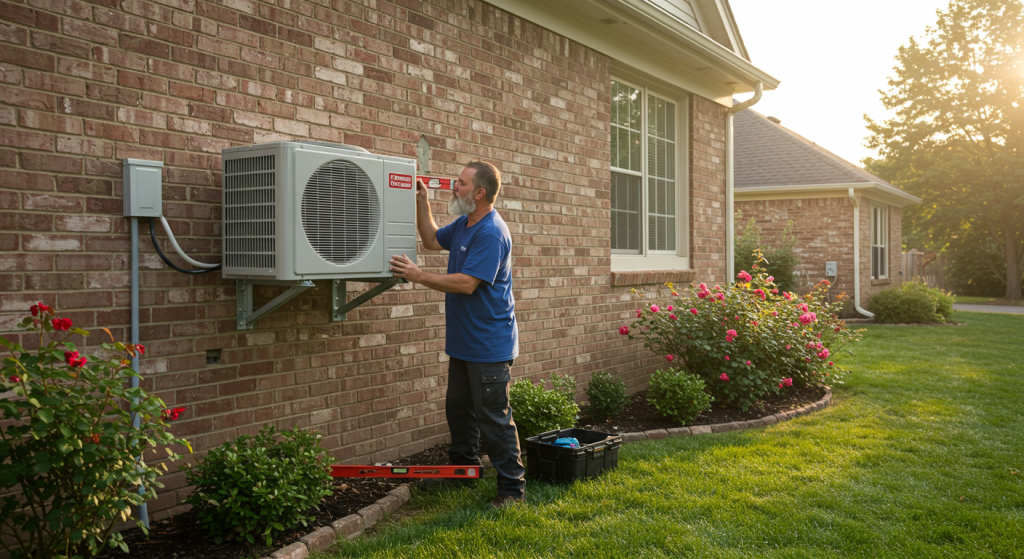
While installing window units or small wall-mounted systems can be possible for handy homeowners, it’s strongly recommended to leave central or ductless installations to professionals. They possess the necessary skills and experience, saving you time and potential frustrations, while also ensuring compliance with local laws and regulations.
Finding the Best Deals for Your AC Unit
Saving on air conditioning installation can be accomplished through various strategies. Investigate local and federal rebates, explore options for installing during off-peak seasons, and gather multiple quotes to secure the best deal.
For more information on air conditioning installation, check these resources: Home Installation Guide, Understanding HVAC Costs, Types of AC Systems, Energy Efficiency Ratings, and Maintaining Your AC System.