
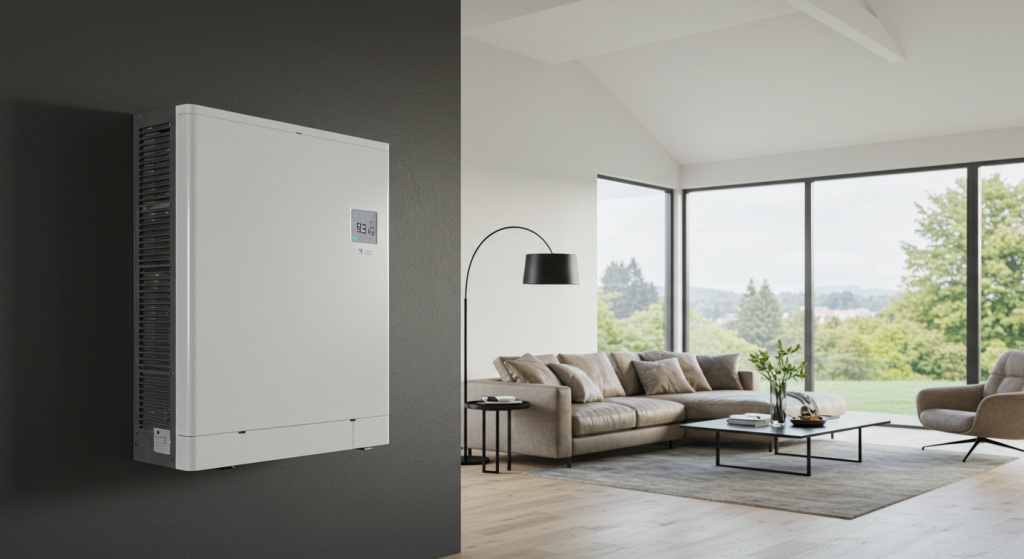
When it comes to maintaining a comfortable living environment, selecting an efficient heating system for your home is essential. With various options available, understanding each system’s capabilities can help you make an informed decision that aligns with your family’s needs and budget. Explore the different heating solutions to optimize both comfort and energy savings in your household.
Ducted Home Heating Systems
Ducted heating systems, commonly known as central heating, utilize a centralized source to distribute warmth throughout your home via ducts or pipes. Here are the dominant types of ducted heating systems:
Furnaces: The Most Popular Choice
A furnace operates by blowing heated air through a network of ducts, delivering warmth through grates or grills located in various areas of the house. This type is highly preferred in the U.S. due to its compatibility with air-conditioning units, enabling it to work seamlessly as part of a comprehensive HVAC system. Furnaces can use gas (either natural or propane), electricity, or oil as fuel, providing versatility. With annual fuel-utilization-efficiency (AFUE) ratings reaching up to 96 percent, they convert a significant portion of the energy consumed into heat.
Boilers: Radiant Heat Efficiency
Another alternative is the boiler, which heats water in a tank and circulates warm water through pipes to radiators placed throughout the home. Boilers provide the option for hot water or steam heating and allow room-by-room temperature control, resulting in a higher energy efficiency rate compared to standard furnaces. While they offer many benefits, they lack cooling capabilities since they do not employ ductwork.
Heat Pumps: A Dual Functionality
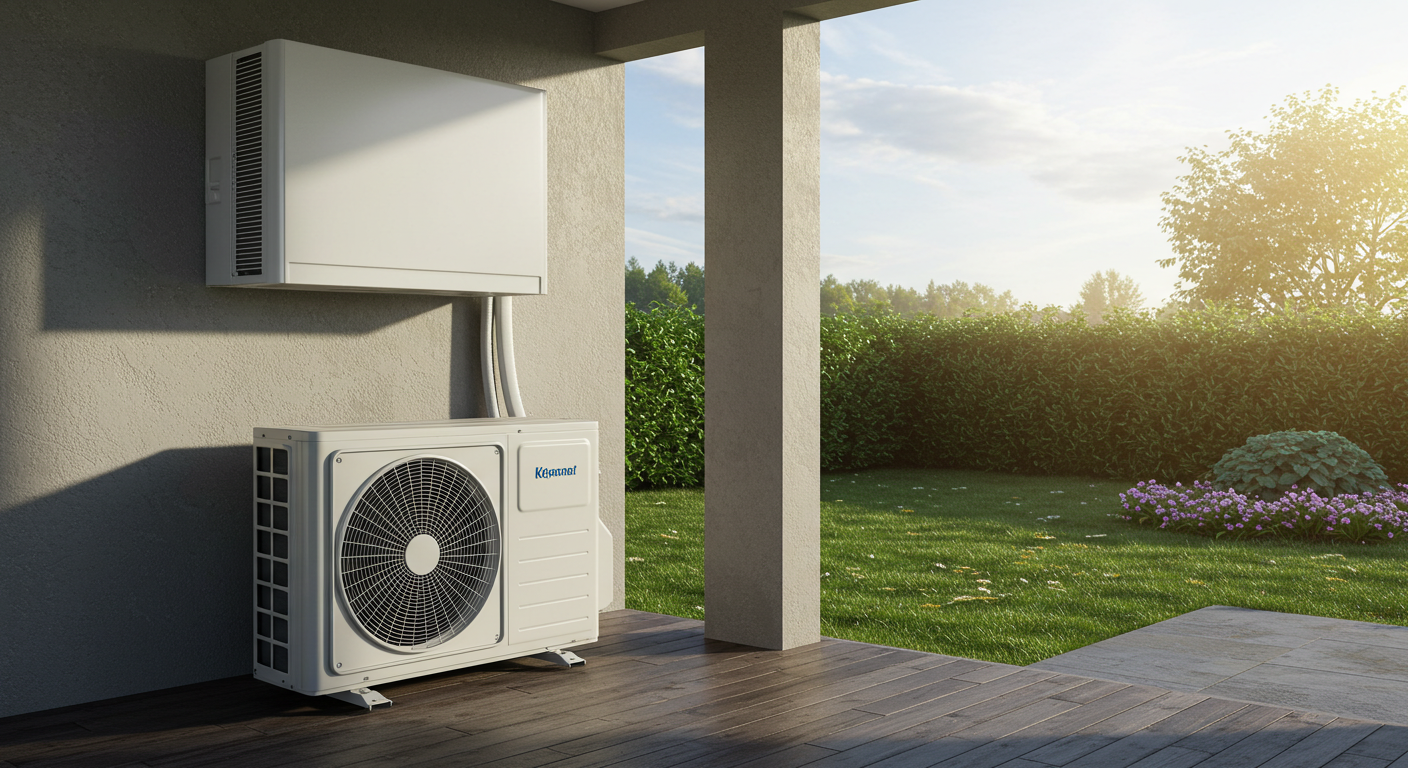
Heat pumps are versatile units that serve both heating and cooling purposes. They consist of an indoor and outdoor unit, utilizing refrigerant to extract heat from the air. In heating mode, they capture warm outdoor air and transfer it into your home, while in cooling mode, they do the opposite. One of the key advantages is their impressive energy efficiency. Additionally, heat pumps are typically more affordable to install than both furnaces and boilers. However, they are solely electricity-powered and may not operate effectively in extreme cold temperatures.
Ductless Heating Systems
Ductless heating systems are designed for heating small spaces without ductwork. Instead, they focus on individual rooms to provide targeted comfort.
Mini-Split Heat Pumps: Room-by-Room Heating
A mini-split heat pump operates similarly to a standard heat pump but connects indoor and outdoor units without ducts. The indoor unit is typically wall-mounted, allowing easy installation and less invasive setup. Multi-room configurations can be achieved with indoor units connecting to a central outdoor unit, making mini-splits a popular choice for efficient zonal heating.
Window AC With Heating: Budget-Friendly Alternatives
Window air-conditioning and heating units offer a compact, economical solution for localized heating or cooling. Installed in open windows, these self-contained units can heat or cool efficiently but are often limited by the size they can effectively service.
Portable Heating Systems
For on-the-go heating, consider portable AC and heating systems. These free-standing units can be easily moved from room to room and operate without the need for extensive installation. However, while they provide flexibility, they may offer lower heating and cooling capacities compared to other systems.
Direct Heating Systems
Electric space heaters and gas-fired space heaters are two types of direct heating systems. Electric space heaters use standard outlets to warm up internal elements, providing straightforward, instant heat. In contrast, gas-fired versions utilize fuel sources like propane or natural gas, producing substantial warmth. However, they typically require venting to release harmful combustion gases. Meanwhile, ventless models, while more affordable, introduce certain safety risks, such as carbon monoxide poisoning.
Choosing the Right Heating System for Your Home
When assessing the most suitable heating system for your home, consider several essential factors:
- Do you require heating for the entire home or just for select areas?
- What climate zone do you live in? Temperate or cold?
- Is your home already equipped with ductwork or pipes?
- Do you have adequate indoor or outdoor space for a central heating system?
- What is your budget limit?
- What are your preferences for energy efficiency?
Helpful Tips for Selecting the Best Furnace
If you’re leaning towards a furnace, consider exploring multiple resources on the best furnace types, brands, and buying guides:
- Types of Furnaces
- Best Furnace Brands
- Gas Furnace Buying Guide
- Complete Wall Furnace Guide
- Oil Furnace Buying Guide
- South Shore Plumbing and Heating
Choosing the right heating system is crucial for maintaining comfort while managing your energy costs. By understanding the various options available and their energy efficiency ratings, you can make an informed decision that best suits your needs and budget.