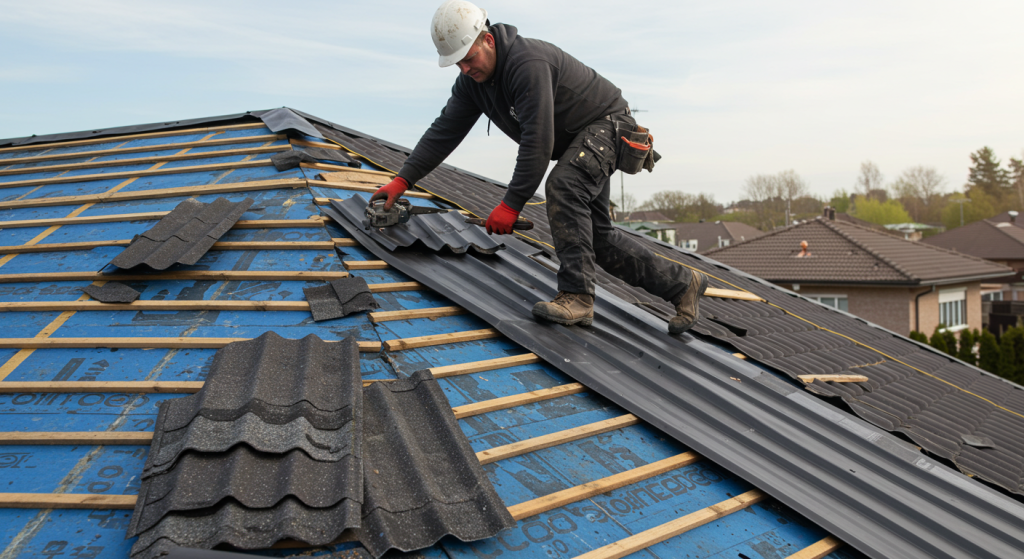
Recognizing the right moment to replace your roof can save you from unexpected disasters and costly repairs. From frequent leaks to the appearance of curled shingles, certain warning signs indicate your roof may be reaching the end of its life. Let’s delve into the five key indicators that signal it’s time for a new roof.
1. Understanding Roof Age as a Key Indicator
One of the most significant signs that your roof is due for a replacement is its age. Generally, roofs are designed to last between 20 to 30 years, contingent upon the materials used, installation quality, and maintenance frequency. In your role as a homeowner, it’s vital to recognize that severe weather conditions and lack of upkeep can considerably reduce this lifespan.
It’s advisable to maintain detailed records of past repairs or maintenance. Note that even if your roof appears intact, aging can manifest subtly, such as through brittle asphalt shingles and minor leaks indicating deeper issues. Routine inspections conducted by seasoned professionals can help pinpoint these subtle yet critical signs of decline.
2. Curled or Missing Shingles
If you observe curled or missing shingles, this is a definitive sign that your roof is in distress. Curling shingles, whether cupping or clawing, indicate that these materials are nearing the end of their useful life. Factors such as excessive heat, poor installation, or regular wear can contribute to this issue. Curled shingles hinder your roof’s ability to channel water effectively, potentially leading to significant damage beneath the surface.
Furthermore, missing shingles leave your roof’s underlayment exposed, creating vulnerabilities against adverse weather. This exposure accelerates the deterioration process, exacerbating moisture ingress issues. Act swiftly if you encounter these problems, consulting with a roofing expert to evaluate the extent of the damage and determine if a full replacement is necessary.
3. Frequent Leaks
The relentless presence of leaks is another urgent indicator of roof failure. Reoccurring water intrusion is not just an annoyance; it signifies that your roof’s structure is compromised. Deteriorated underlayment, failing flashing, or worn sealing around penetrations can often be the culprits.
It’s paramount to understand that frequent leaks can lead beyond superficial issues; they can culminate in mold growth and rot, compromising your home’s safety and comfort. If you find yourself noticing water stains on ceilings or walls, it might be time for a serious intervention. A professional diagnosis can reveal whether repairs suffice or if a full roof replacement is warranted.
4. Sagging Roof Deck
The sight of a sagging roof deck unequivocally calls for immediate action. This condition often results from long-term moisture exposure leading to decay within the wooden support structures. Sagging manifests as dips or curves in the roof’s outline, noticeable from both inside and outside your home.
Prompt responses are critical here; neglecting a sagging roof deck can provoke more severe consequences, including the risk of a collapse. The necessary assessment must involve removing existing materials to gauge the underlying damage accurately, and a roofing professional can guarantee all repairs comply with local building standards.
5. Visible Daylight Through Roof Boards
If you start noticing daylight peeking through the roof boards, it signals a severe breach in your roof’s integrity. This isn’t a trivial issue but an indication of potential structural failure. Gaps allowing light in also pave the way for water and pests, which can wreak havoc on your home’s interior.
Recognize that this problem typically results from prolonged wear and insufficient maintenance. Weak, cracked, or rotting roof boards create these openings, diminishing the overall protective capabilities of your roof. Address this situation with urgency; an experienced roofing contractor can assess the damage and determine whether an easy repair will suffice or if a more comprehensive solution is necessary.
When to Consider Roof Replacement
Ultimately, making the decision to replace your roof is critical. If significant repairs are needed, frequent leaks occur, and you notice physical signs of deterioration, consulting with professionals to assess the situation is crucial. For those contemplating energy efficiency, newer roofing materials can offer remarkable advantages, lowering energy consumption rates significantly.
For homeowners looking to sell, investing in a new roof can significantly boost curb appeal and assurance for potential buyers about the home’s care. Stay attentive to these indicators, and don’t hesitate to take action. You can safeguard not only your home but also your peace of mind.
For further insights on enhancing your roof’s lifespan, you might find these articles useful: The Benefits of Roof Coatings: Extend the Lifespan of Your Roof, How to Waterproof Your Roof, Is a Slate Roof the Best Roof for Your Home?, Considerations for a Metal Roof, and Choosing the Right Roofing Material.