Identifying and valuing your scrap metal can be a rewarding endeavor, both for the environment and your bank account. By learning how to differentiate between various metals and understanding their worth, you can maximize your returns while contributing to a more sustainable future. Let’s explore the essential steps to help you accurately assess and appreciate your scrap metal treasures.
The Importance of Knowing Your Scrap Metal
Identifying scrap metal goes beyond mere curiosity; it is crucial for ensuring you receive the best price at recycling centers. Unsorted and mixed scrap can significantly reduce your payout because recycling facilities classify mixed metals as lower value. By understanding your scrap, you can not only gain financial benefits but also contribute positively to the environment through responsible recycling.
Common Types of Scrap Metal
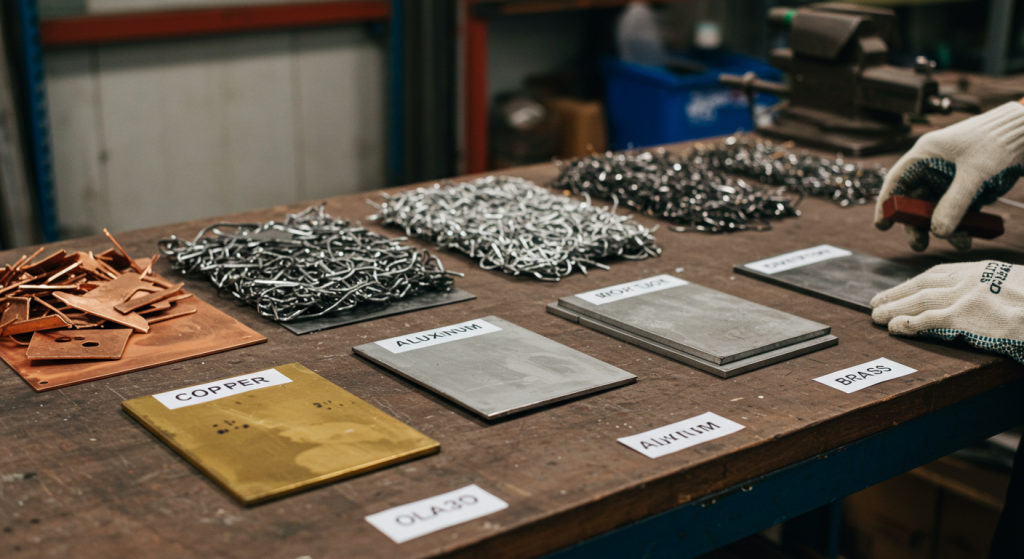
There are various types of metal you will encounter, and each type has its own distinctive traits. Here are the most common recyclable metals:
- Steel: Found in appliance casings, old tools, and construction materials, steel is magnetic and easy to identify.
- Aluminum: Lightweight and non-magnetic, look for it in beverage cans and window frames.
- Copper: Recognizable by its reddish-brown hue, copper is often found in electrical wires and plumbing.
- Brass: A yellowish alloy of copper and zinc, brass can often be found in plumbing fixtures and musical instruments.
- Stainless Steel: Known for its corrosion resistance, this metal is commonly used in kitchenware and appliances.
How to Identify Scrap Metal
Identifying what type of scrap metal you have is essential to getting the best value. Here are several effective methods for sorting scrap metals:
Using a Magnet
The simplest way to distinguish between ferrous (magnetic) and non-ferrous (non-magnetic) metals is to use a magnet. Ferrous metals will stick to the magnet, while non-ferrous ones won’t. Most of the common metals you’ll encounter in your collection can be easily sorted this way, saving time and effort.
Assessing Color and Weight
The color and weight of the metal can greatly assist in identification. For instance, aluminum typically has a silver color, while copper is reddish-brown. Additionally, non-ferrous metals like brass and copper are usually denser and heavier compared to aluminum. By lifting the metal, you can gauge its weight, giving you clues to its identity.
Hardness and Texture
Some metals have specific characteristics that can be tested for hardness and texture. For example, copper is quite soft, allowing for easy shaping and scratching. If you’re unsure, a simple scratch test can reveal the underlying color of the metal, which can further assist in identification.
Oxidation Properties
Metals can develop distinct colors when oxidized. Exposure to air can create surfaces marked with rust; for instance, copper will turn green when corroded. Knowing these details can not only help in identifying the metal but also indicate whether it’s still suitable for scrap.
Valuing Your Scrap Metal
Once you’ve sorted and identified your scrap metals, understanding their value is the next key step. Scrap metal prices fluctuate based on market demand, which means it’s important to stay updated on current rates.
How to Estimate Scrap Metal Value
Here’s how you can gauge the value of your scrap:
- Stay informed about metal prices. You can find pricing information through local scrap yards or industry publications that report daily prices.
- With a basic understanding of the types of metals and their current market value, you can estimate your collection’s worth. Keep a reference of common values online for easier comparison.
- Clean, sorted metals typically fetch higher prices. By taking the time to separate and clean your scrap, you increase its overall value.
Storage and Preparation for Recycling
The way you store and prepare your scrap metal can directly impact financial outcomes. Make sure to store metals in a way that prevents contamination, keeping ferrous and non-ferrous metals separate. When you finally transport your metals to the recycling center, ensure they are cleaned and properly organized.
Choosing the Right Recycling Facility
When the time comes to recycle your metals, selecting the right recycling facility can make all the difference. Look for locations that offer fair pricing and have a good reputation. Many facilities provide specific guidelines on acceptable scrap, which can further streamline your scrapping process.
By understanding how to identify and value your scrap metal, you not only maximize your earnings but also play a significant role in environmental sustainability. Make your scrap metal collection a lucrative endeavor, turning what was once considered waste into a profitable asset.